
Have you ever stared at a wall of earbuds at your local electronics store and wondered why some advertise their “10mm drivers” while others boast about their “8mm premium drivers”? Or maybe you’ve been scrolling through online reviews, trying to figure out if that 14mm driver is actually worth the extra money. Trust me, I’ve been there too.
As someone who’s spent countless hours testing different earbuds (and probably too much money buying them), I’ve learned that driver size is one of those specifications that seems simple but actually has a lot of nuance to it. The question “how many mm driver is good for earbuds” doesn’t have a one-size-fits-all answer, but I’m here to help you understand exactly what matters and why.
Also Read:
Does Driver Size Matter in Earbuds?
What Are the Different Types of Bluetooth Audio Codecs and How Do They Affect Sound Quality
How Do I Know When My Earbuds Are Fully Charged?
How Many mm Driver is Good for Earbuds?
How Long Should You Wear Earbuds a Day?
How Does the Microphone on Earbuds Work?
Can I Connect Smartwatch and Earbuds Together?
Is It Safe to Use Earbuds Without the Mesh?
What is Active Noise Cancellation in Earbuds?
TWS Earbuds Under 1000 INR
Tws Earbuds Under 1500 INR
TWS Earbuds Under 2000 INR
In this comprehensive guide, we’ll dive deep into the world of earbud drivers—what they are, how size affects sound, and ultimately, which size might be right for your specific needs. Whether you’re a casual listener or an audiophile, by the end of this article, you’ll have all the knowledge you need to make an informed decision on your next earbud purchase.
Understanding Earbud Drivers
Before we jump into discussing the ideal size, let’s make sure we’re on the same page about what exactly a driver is.
What Is a Driver in Earbuds?
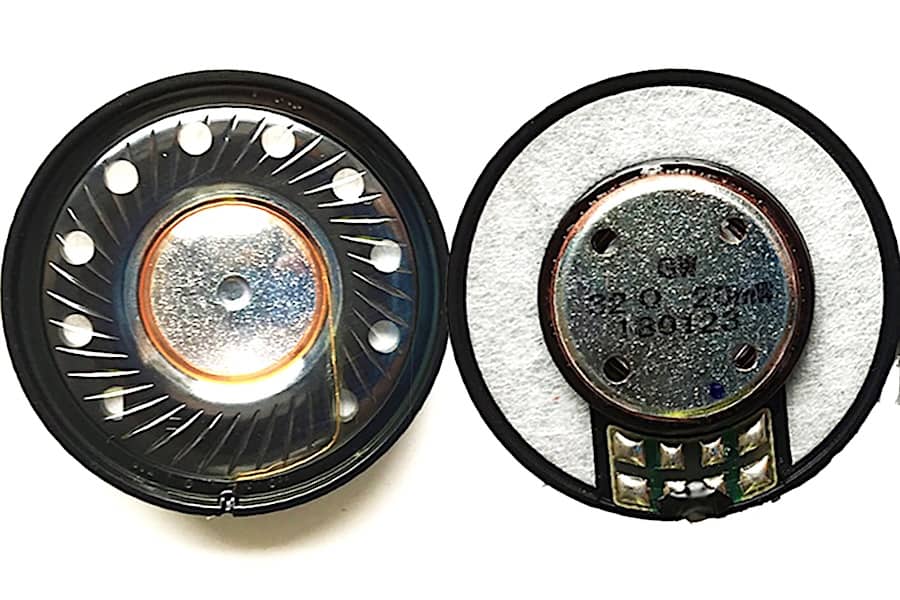
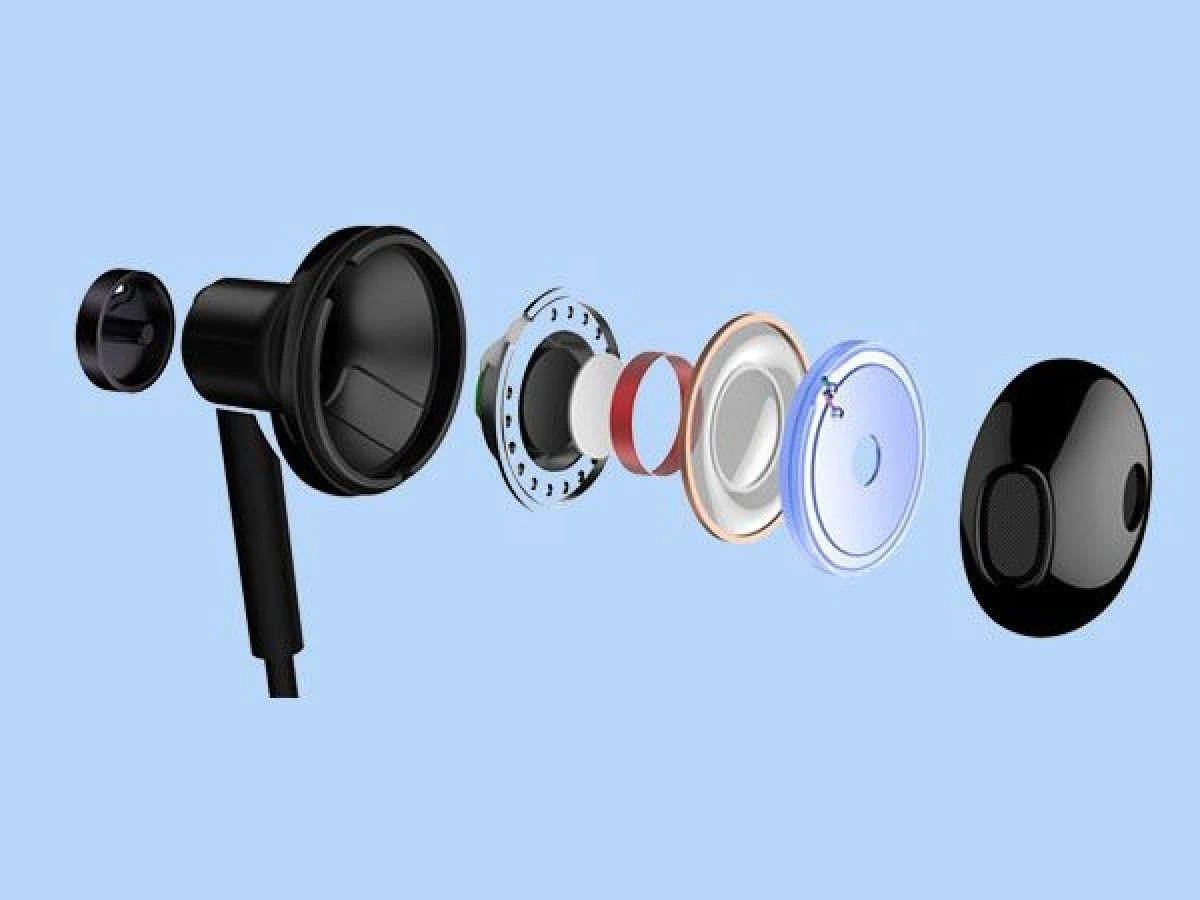
In simple terms, a driver is the component in your earbuds that converts electrical signals into sound waves that your ears can hear. Think of it as the engine of your earbuds—it’s where the magic happens.
When your phone or music player sends audio signals to your earbuds, these electrical signals reach the driver, which then vibrates to create sound waves. The quality, size, and type of driver significantly influence how your music sounds.
Different Types of Drivers
Not all drivers are created equal. There are several types you’ll encounter in today’s market:
- Dynamic Drivers: The most common type, using a magnetic field to move a diaphragm that creates sound waves. These are typically measured in millimeters (mm).
- Balanced Armature Drivers: Smaller, more precise drivers often used in higher-end earbuds. These aren’t typically measured in mm.
- Planar Magnetic Drivers: Less common in earbuds due to size constraints, but known for excellent sound quality.
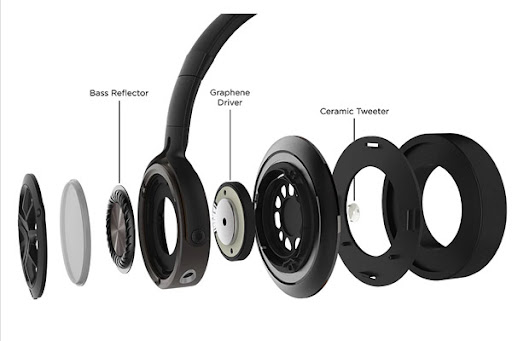
- Hybrid Drivers: Combinations of different driver types to leverage the strengths of each.
For this article, we’ll focus primarily on dynamic drivers since they’re the most common and the ones typically measured in millimeters.
How Drivers Work to Produce Sound
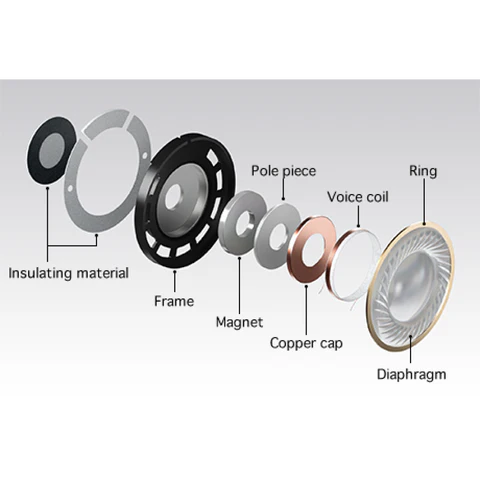
A dynamic driver consists of a magnet, voice coil, and diaphragm. When electricity flows through the voice coil, it creates a magnetic field that interacts with the permanent magnet. This causes the attached diaphragm to move back and forth, creating sound waves.
The size of this diaphragm (measured in mm) affects how the driver performs. Larger diaphragms can move more air, which often translates to more powerful bass. Smaller diaphragms might offer better precision for high frequencies.
The Relationship Between Driver Size and Sound Quality
Here’s where things get interesting—and a bit complicated. While it might seem logical that bigger drivers would always produce better sound, that’s not necessarily the case.
Driver size influences sound characteristics, but it doesn’t single-handedly determine sound quality. A well-designed 8mm driver can sound significantly better than a poorly designed 12mm driver. It’s like comparing engines in cars—sometimes a well-tuned smaller engine outperforms a larger one.
That said, driver size does tend to correlate with certain sound characteristics, which we’ll explore in depth.
The Significance of Driver Size in mm
When browsing earbuds, you’ll notice driver sizes typically range from around 5mm to 15mm. This measurement refers to the diameter of the driver diaphragm.
Common Driver Sizes in the Market
Here’s a quick overview of what you’ll typically find:
| Driver Size Range | Prevalence | Common Applications |
|---|---|---|
| 5-8mm | Common in smaller earbuds | True wireless earbuds, fitness earbuds |
| 8-11mm | Most common overall | General-purpose earbuds, mid-range models |
| 11-15mm | Less common, premium models | Audiophile earbuds, bass-focused models |
| 15mm+ | Rare in earbuds | Specialized models, some over-ear designs |
How Driver Size Is Measured
The millimeter measurement refers to the diameter of the driver diaphragm—the part that vibrates to create sound. This is a physical measurement, not a performance rating. Two 10mm drivers might perform very differently depending on their design, materials, and implementation.
Why Manufacturers Focus on Driver Size in Marketing
You’ve probably noticed that many manufacturers prominently display driver size in their marketing materials. There’s a reason for this—it’s an easy number to understand and compare.
However, this focus on size can be misleading. Audio quality is determined by numerous factors beyond just driver size. Manufacturers sometimes emphasize driver size because it’s simpler than explaining the complex interplay of materials, tuning, and engineering that actually determines how good your earbuds will sound.
Now, let’s break down how different driver sizes typically perform.
Small Drivers (5mm-8mm)
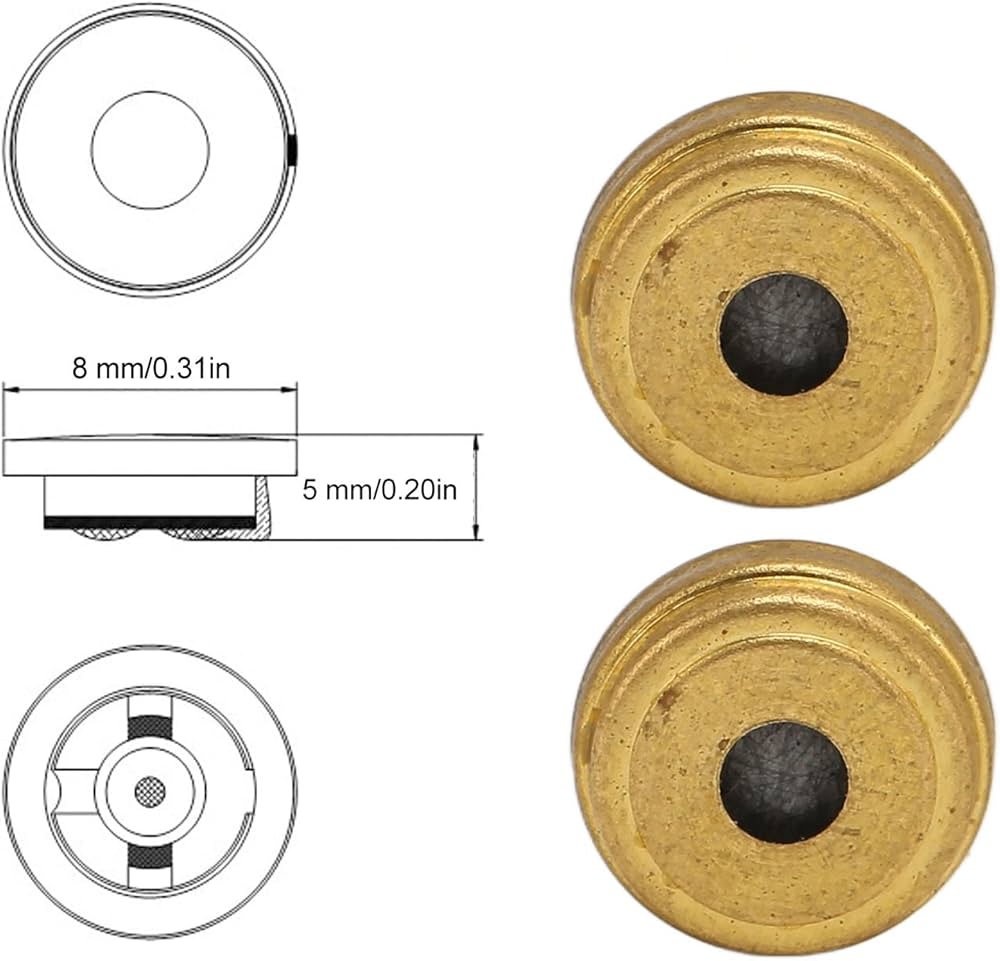
Small drivers have come a long way in recent years, particularly with advancements in materials and engineering.
Characteristics and Sound Profile
Small drivers typically excel at:
- High frequencies: Smaller diaphragms can move more quickly, often resulting in crisp, detailed treble.
- Clarity: Many small drivers offer excellent clarity, especially in the mid and high ranges.
- Precision: The reduced moving mass can translate to more accurate sound reproduction.
However, they may struggle with:
- Bass response: With less surface area to move air, deep bass can be challenging.
- Soundstage: The physical limitations sometimes result in a narrower perceived soundstage.
Advantages of Small Drivers
Small drivers offer several practical benefits:
- Compact design: They allow for smaller, more comfortable earbuds.
- Energy efficiency: They typically require less power to drive, resulting in better battery life for wireless models.
- Lightweight: Less fatigue during extended listening sessions.
- Better fit: Smaller housings can fit more securely in different ear shapes.
I recently tested the Jabra Elite 7 Pro with its 6mm drivers, and I was genuinely surprised by how well they performed across different music genres. The compact size made them incredibly comfortable for all-day wear.
Disadvantages of Small Drivers
The limitations are primarily in the low-end performance:
- Less impactful bass: Physics simply limits how much air a small driver can move.
- Dynamic range: Some small drivers struggle to maintain clarity across the entire frequency spectrum.
- Power handling: They can sometimes distort at higher volumes.
Ideal Use Cases
Small drivers excel in:
- True wireless earbuds where size and weight are critical
- Sports and fitness earbuds that need to stay secure during movement
- Everyday carry earbuds for users who prioritize comfort and convenience
- Podcast and vocal content where mid-range clarity matters more than bass response
Notable Earbuds with Small Drivers
Some impressive earbuds with smaller drivers include:
- Apple AirPods Pro (custom small drivers)
- Samsung Galaxy Buds Pro (6.5mm drivers)
- Jabra Elite 7 Pro (6mm drivers)
- Sony LinkBuds (unique 5.8mm ring-shaped driver)
These examples show that small drivers, when well-implemented, can deliver excellent performance despite their size limitations.
Medium Drivers (8mm-11mm)
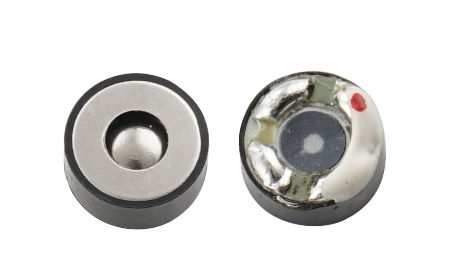
Medium-sized drivers represent the sweet spot for many users, balancing performance with practical considerations.
Characteristics and Sound Profile
Medium drivers typically offer:
- Balanced sound signature: Good performance across bass, mids, and treble.
- Respectable bass: Enough diaphragm size to move sufficient air for satisfying low frequencies.
- Good detail retrieval: Still small enough to handle higher frequencies well.
- Versatility: Generally suitable for a wide range of music genres.
Advantages of Medium Drivers
The benefits of medium drivers include:
- Versatility: They handle most music genres competently.
- Better bass response than smaller drivers without sacrificing too much clarity.
- Still relatively compact: Allow for comfortable earbud designs.
- Good power efficiency: Reasonable battery life in wireless models.
- Broad appeal: Satisfy the needs of most mainstream listeners.
I’ve found that earbuds like the OnePlus Buds Pro 2 with their 11mm drivers hit a sweet spot for everyday listening. They provide enough bass to enjoy hip-hop and EDM while still maintaining clarity for acoustic tracks and podcasts.
Disadvantages of Medium Drivers
Potential drawbacks include:
- Jack of all trades, master of none: May not excel in any particular area.
- Bass not as powerful as larger drivers.
- Size constraints: Still need careful engineering to fit comfortably.
Ideal Use Cases
Medium drivers are excellent for:
- General-purpose listening across multiple genres
- Commuting and travel where versatility matters
- Office use with a good balance of isolation and comfort
- Users who enjoy various content from music to podcasts to calls
Popular Earbuds with Medium Drivers
Some standout earbuds with medium drivers include:
- Sony WF-1000XM4 (8mm drivers)
- Sennheiser Momentum True Wireless 3 (7mm drivers)
- OnePlus Buds Pro 2 (11mm + 6mm dual drivers)
- Google Pixel Buds Pro (11mm drivers)
These models demonstrate how medium-sized drivers can deliver excellent all-around performance when paired with good engineering and tuning.
Large Drivers (11mm-15mm)
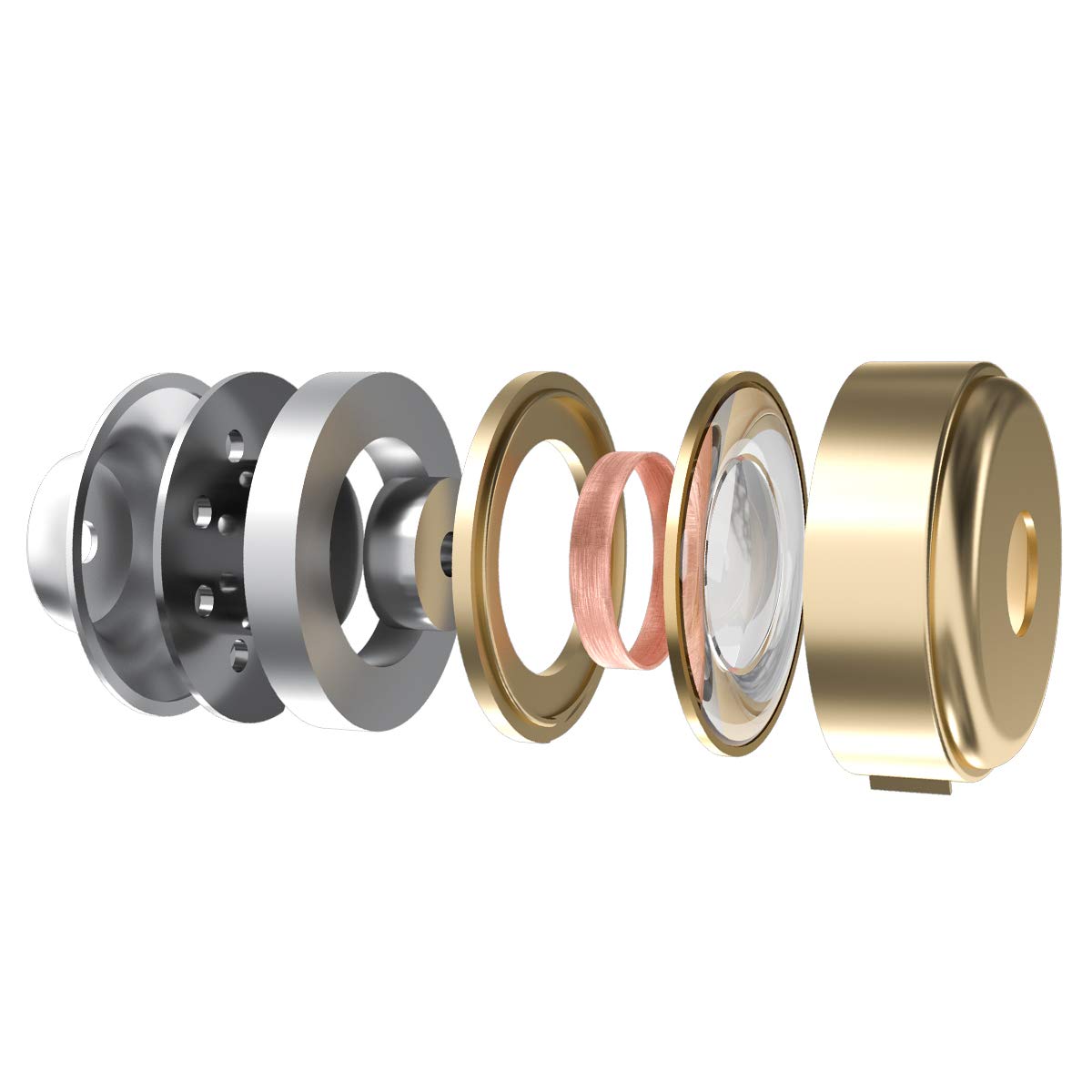
Large drivers push the boundaries of what’s possible in earbud form factors and often target listeners with specific preferences.
Characteristics and Sound Profile
Large drivers typically deliver:
- Powerful bass response: The increased diaphragm size can move more air, resulting in deeper, more impactful bass.
- Greater dynamic range: More capability to handle dramatic shifts in volume and intensity.
- Potentially wider soundstage: The larger surface area can create a more expansive sound presentation.
- Higher volume potential: Can often play louder without distortion.
Advantages of Large Drivers
The benefits of large drivers include:
- Impressive low-frequency performance: Bass that you can feel, not just hear.
- Immersive listening experience: Often creates a more “big” sound.
- Better handling of complex passages: More headroom for demanding music.
- Less strain at high volumes: Can maintain composure when pushed.
The Sennheiser IE 600 with its 7mm drivers might seem to contradict this category, but it shows how driver design and materials (in this case, precision-milled amorphous zirconium) can sometimes be more important than size alone.
Disadvantages of Large Drivers
Potential drawbacks include:
- Bulkier design: Larger drivers require larger housings.
- Comfort issues: May not fit as comfortably in smaller ears.
- Power hungry: Often require more power, affecting battery life in wireless models.
- Potential for muddy mids: Bass can sometimes overwhelm other frequencies if not well-tuned.
Ideal Use Cases
Large drivers excel in:
- Bass-heavy genres like EDM, hip-hop, and modern pop
- Movie watching where deep rumbles enhance the experience
- Gaming where immersion and directional audio matter
- Home listening where comfort constraints are less important than sound quality
Well-known Earbuds with Large Drivers
Some notable earbuds with larger drivers include:
- 1MORE Quad Driver (with dynamic driver for bass)
- Beyerdynamic Soul BYRD (12mm drivers)
- Soundcore Liberty 3 Pro (10.6mm drivers)
- Final Audio E5000 (6.4mm drivers with exceptional performance)
Again, note that some models with technically smaller drivers perform like larger ones due to superior engineering and materials.
Beyond Size: Other Factors That Matter
While we’ve focused on driver size, it’s just one piece of a complex puzzle. Let’s explore other critical factors that influence sound quality.
Driver Material and Quality
The material used for the driver diaphragm significantly impacts sound quality:
- Beryllium: Lightweight and rigid, excellent for detail and speed
- Titanium: Durable with good rigidity-to-weight ratio
- Bio-cellulose: Natural material with good acoustic properties
- Polymer blends: Various synthetic materials with different sound characteristics
The Moondrop Aria uses a 10mm Liquid Crystal Polymer diaphragm that gives it exceptional detail retrieval despite its moderate size.
Tuning and Sound Signature
Driver tuning—how the frequency response is shaped—often matters more than size:
- Harman Target: A scientifically derived frequency response many find pleasing
- V-shaped: Emphasized bass and treble with recessed mids
- Neutral: Attempts to reproduce sound without coloration
- Warm: Slightly emphasized lower frequencies for a richer sound
Housing Design and Acoustics
The chamber around the driver significantly affects sound:
- Acoustic chambers: Shape and size influence resonance
- Venting: Affects bass response and pressure relief
- Materials: Different housing materials have different resonance properties
- Ear tip design: Dramatically affects sound isolation and bass response
Multiple Drivers vs. Single Driver Setups
Some earbuds use multiple drivers for different frequency ranges:
- Single dynamic driver: One driver handles all frequencies
- Hybrid setups: Typically a dynamic driver for bass plus balanced armature drivers for mids/highs
- Triple/quad driver arrangements: Multiple drivers each handling specific frequency ranges
The KZ ZSN Pro X uses a hybrid driver setup with a 10mm dynamic driver for bass and a balanced armature driver for higher frequencies, demonstrating how multiple drivers can complement each other.
Digital Signal Processing and Amplification
Modern earbuds often employ technology to enhance driver performance:
- DSP (Digital Signal Processing): Can compensate for driver limitations
- Active EQ: Dynamically adjusts frequency response
- Amplification quality: Better amps can make the same driver sound significantly better
- Codec support: Better codecs provide more data for the driver to work with
Finding Your Perfect Driver Size
With all this information, how do you determine which driver size is right for you? Let’s break it down.
Matching Driver Size to Music Genres
Different music benefits from different driver characteristics:
| Music Genre | Recommended Driver Size | Reason |
|---|---|---|
| Classical, Jazz | 7-10mm | Detail and accuracy typically matter more than bass impact |
| Rock, Pop | 8-12mm | Good balance of bass punch and vocal clarity |
| Hip-hop, EDM | 10-15mm | Stronger bass response enhances the experience |
| Acoustic, Vocal | 6-10mm | Clarity and detail in the midrange is crucial |
| Podcasts, Audiobooks | 6-8mm | Vocal clarity matters most, bass less important |
Considering Your Listening Preferences
Beyond genre, consider your personal preferences:
- Do you prefer a bass-heavy sound or analytical clarity?
- Do you listen at high volumes or moderate levels?
- Are you sensitive to treble or do you enjoy bright sound signatures?
- Do you value soundstage and imaging or is impact more important?
I personally found that after years of chasing bigger drivers for bass, I actually prefer the clarity and detail of well-implemented 8-10mm drivers for my eclectic listening habits.
The Importance of Fit and Comfort
Even the best driver won’t sound good if the earbud doesn’t fit properly:
- Smaller drivers often allow for more comfortable designs
- Larger drivers might create pressure points in smaller ears
- Proper seal is essential for bass response regardless of driver size
- Consider ear tip material and design alongside driver specifications
Budget Considerations
Driver size doesn’t necessarily correlate with price:
- Some expensive earbuds use smaller, premium drivers
- Some budget options use large drivers but cut corners on materials
- Consider the total package rather than fixating on size
- Diminishing returns can set in at higher price points
Testing Methodology
If possible, try before you buy:
- Use familiar music to evaluate new earbuds
- Pay attention to comfort during extended sessions
- Test in different environments (quiet room, commuting, etc.)
- Consider borrowing from friends to compare different sizes
Comparative Analysis
Let’s look at how different driver sizes typically perform across key audio characteristics:
| Characteristic | Small Drivers (5-8mm) | Medium Drivers (8-11mm) | Large Drivers (11mm+) |
|---|---|---|---|
| Bass Response | Moderate, sometimes lacking impact | Good balance, sufficient for most | Powerful, can be felt |
| Mid-range Clarity | Often excellent | Generally good | Can be recessed if poorly tuned |
| Treble Detail | Usually precise | Good detail | May lack some precision |
| Soundstage | Typically intimate | Moderate width | Can be more expansive |
| Comfort | Excellent (smaller housings) | Good | May be bulkier |
| Power Efficiency | Very efficient | Moderately efficient | Less efficient |
| Versatility | Good for vocals, acoustic | Excellent all-rounders | Best for bass-heavy genres |
Real-world Examples and Case Studies
Let’s examine some specific models that demonstrate these principles:
Case Study 1: Samsung Galaxy Buds Pro (6.5mm drivers)
Despite their smaller driver size, these earbuds receive praise for their balanced sound signature and surprising bass response. This demonstrates how modern engineering can overcome size limitations.
Case Study 2: Soundcore Liberty 3 Pro (10.6mm drivers)
These earbuds use relatively large drivers in a true wireless form factor, delivering powerful bass while maintaining good detail. However, some users find them slightly bulky for smaller ears.
Case Study 3: Moondrop Blessing 2 (Hybrid configuration)
This model uses multiple drivers of different types rather than focusing on size alone, resulting in exceptional performance across the frequency spectrum.
Expert Opinions and Consensus
Most audio experts agree on several points:
- Driver size alone is not determinative of sound quality
- Implementation matters more than raw specifications
- The ideal size depends on the listener’s preferences and use case
- Material quality often outweighs size considerations
As renowned audio reviewer Crinacle often points out, “Tuning is king”—meaning how the driver is implemented matters more than its size.
Debunking Common Myths
Let’s address some persistent misconceptions about earbud drivers:
“Bigger is Always Better”
This is perhaps the most common myth. While larger drivers can move more air (potentially creating more bass), they aren’t inherently better. Smaller drivers can often produce more accurate sound with better detail, especially in the higher frequencies.
The Etymotic ER2XR uses tiny drivers but is renowned for its accuracy and detail, outperforming many earbuds with much larger drivers.
“More Drivers Equals Better Sound”
Another marketing-driven myth. While multiple drivers can be beneficial when well-implemented, a single well-designed driver often outperforms multiple mediocre ones. Quality over quantity applies here.
“Driver Size is the Most Important Specification”
As we’ve discussed throughout this article, driver size is just one factor among many. Tuning, materials, housing design, and fit often have more impact on your listening experience.
“Expensive Earbuds Always Have Better Drivers”
Price and performance don’t always correlate directly. Some budget earbuds like the KZ ZSN Pro X offer exceptional performance for their price point, while some expensive models rely more on brand name than superior technology.
Future Trends in Earbud Driver Technology
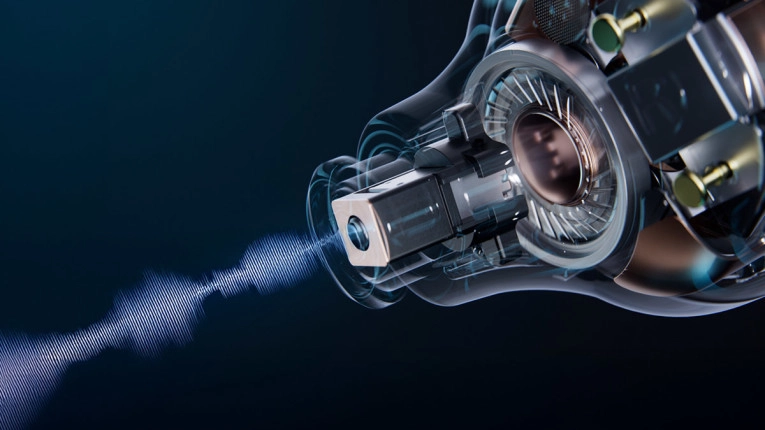
The earbud market continues to evolve rapidly. Here’s what to watch for:
Innovations in Driver Materials and Design
Manufacturers are constantly experimenting with new materials:
- Graphene-coated drivers: Offering rigidity with minimal weight
- Liquid crystal polymers: Providing excellent vibration characteristics
- Carbon nanotubes: Emerging technology with promising acoustic properties
- 3D-printed drivers: Allowing for more complex and precise designs
Miniaturization and Efficiency Improvements
As technology advances, we’re seeing:
- Smaller drivers that perform like larger ones
- More efficient driver designs requiring less power
- Better integration of drivers with other components
- Improved manufacturing precision for tighter tolerances
AI and Adaptive Sound Technologies
Smart features are increasingly common:
- Adaptive EQ: Automatically adjusting to your ear anatomy
- Spatial audio processing: Creating immersive experiences from standard drivers
- Real-time adaptation: Adjusting to ambient noise conditions
- Personalized sound profiles: Learning your preferences over time
What to Expect in the Next Generation of Earbuds
The next few years will likely bring:
- Hybrid driver systems becoming more common in mainstream models
- Enhanced battery efficiency allowing for better performance in wireless models
- More sophisticated DSP compensating for physical driver limitations
- Customizable sound profiles through companion apps becoming standard
The Sony WF-1000XM5 already hints at this future, with its new driver design focusing on efficiency and detail rather than just size.
How to Read and Understand Driver Specifications
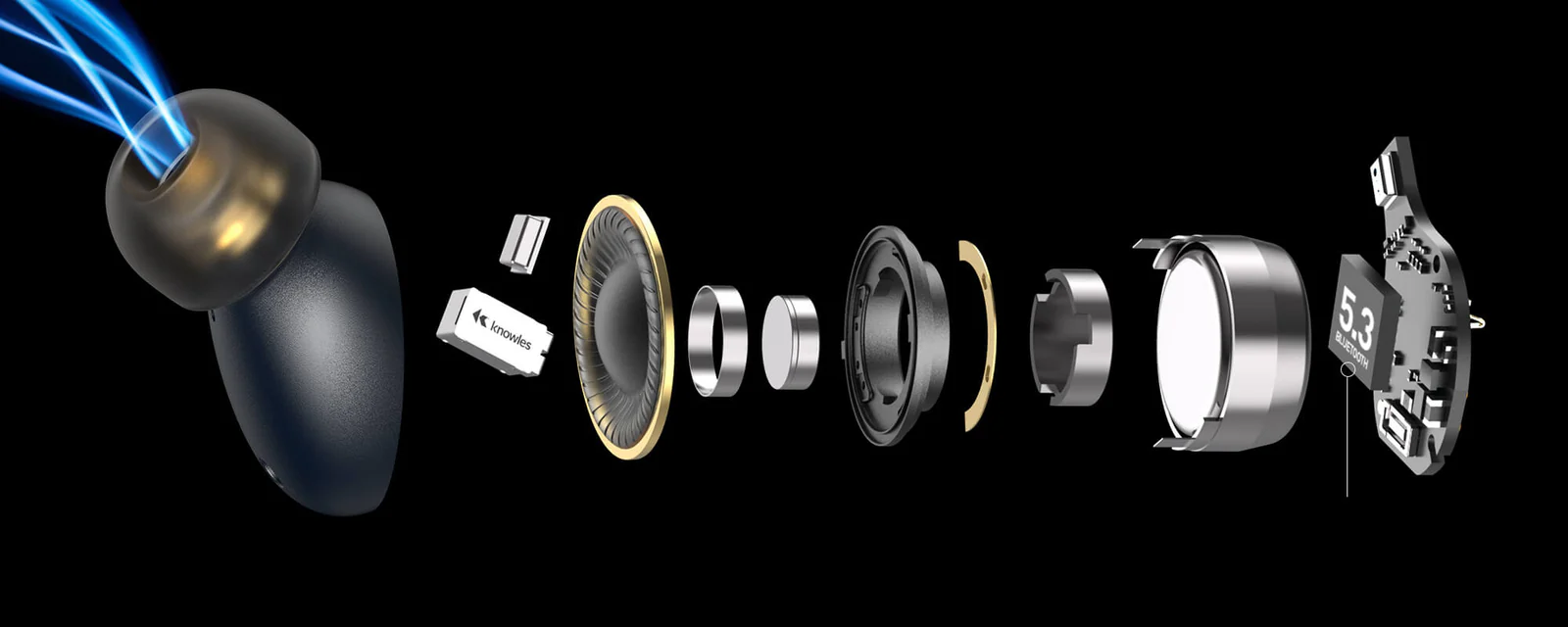
Navigating spec sheets can be confusing. Here’s how to interpret what you’re seeing:
Decoding Manufacturer Specifications
When reading about driver specs:
- Driver diameter (mm): The physical size of the driver diaphragm
- Frequency response: The range of frequencies the driver can reproduce (e.g., 20Hz-20kHz)
- Impedance: Resistance to electrical current (lower numbers are easier to drive)
- Sensitivity: How efficiently the driver converts power to sound (higher numbers are louder)
What the Numbers Really Mean
Be aware that:
- Frequency response doesn’t tell you how well those frequencies are reproduced
- Impedance and sensitivity matter more for wired earbuds than wireless ones
- Driver count (in multi-driver setups) doesn’t necessarily indicate quality
- Material descriptions often lack specificity about actual composition
Red Flags and Marketing Gimmicks
Watch out for:
- Vague claims about “HD sound” without specifics
- Emphasis on driver size without mentioning materials or design
- Unrealistic frequency response claims (humans typically hear 20Hz-20kHz)
- Meaningless proprietary terminology without technical explanation
Reliable Sources of Information
For trustworthy information, consider:
- Professional reviews from established audio publications
- Measurement-based reviewers like Crinacle, AudioScienceReview
- User reviews from audiophile communities (with a grain of salt)
- Frequency response graphs when available
Expert Recommendations
Based on driver size and overall performance, here are some recommendations for different scenarios:
Recommendations for Different Use Cases
For Balanced Sound (8-10mm sweet spot):
- Moondrop Aria (10mm LCP driver)
- Samsung Galaxy Buds 2 Pro (Custom drivers)
- Final Audio E3000 (6.4mm dynamic driver)
For Bass Lovers (10mm+ recommended):
- Soundcore Liberty 3 Pro (10.6mm drivers)
- Sony WF-1000XM4 (8mm drivers with excellent tuning)
- Beyerdynamic Soul BYRD (12mm drivers)
For Detail and Clarity (6-9mm often excel):
- Etymotic ER2XR (Small balanced armature drivers)
- Apple AirPods Pro (Custom drivers)
- Moondrop SSR (6mm driver)
Budget-Friendly Options with Good Drivers
You don’t need to break the bank for good sound:
- KZ ZSN Pro X (~$25, hybrid driver setup)
- Moondrop Chu (~$20, 10mm driver)
- CCA CRA (~$20, 10mm driver)
- JLAB Go Air Pop (~$20, 8mm drivers)
Premium Options with Exceptional Driver Performance
For those willing to invest more:
- Sennheiser IE 600 (~$700, 7mm TrueResponse driver)
- Moondrop Blessing 2 Dusk (~$320, hybrid configuration)
- Shure AONIC 5 (~$500, triple balanced armature)
- Sony IER-M9 (~$1000, five balanced armature drivers)
Specialized Recommendations
For Gaming:
- Razer Hammerhead True Wireless Pro (10mm drivers with low latency)
- EPOS GTW 270 Hybrid (Gaming-focused with good imaging)
For Podcasts and Calls:
- Jabra Elite 7 Pro (6mm drivers with excellent call quality)
- Apple AirPods Pro (Clear voice reproduction)
For Classical Music:
- Fiio FD5 (12mm driver with beryllium coating)
- Moondrop Blessing 2 (Hybrid configuration with excellent detail)
FAQs
1. Does a bigger driver always mean better bass?
While larger drivers can move more air (potentially creating more bass), the quality of bass depends on many factors including driver material, housing design, and tuning. A well-designed smaller driver can produce tighter, more accurate bass than a poorly implemented larger driver.
2. Are multi-driver earbuds better than single-driver ones?
Not necessarily. Multiple drivers can allow for specialization (e.g., one for bass, one for treble), but implementation matters more than quantity. Many excellent earbuds use a single well-designed driver that outperforms multi-driver setups.
3. What’s more important: driver size or material?
In most cases, material quality and implementation have a greater impact on sound quality than raw size. A smaller driver made from premium materials like beryllium or liquid crystal polymer will typically outperform a larger driver made from basic materials.
4. Do I need different sized drivers for different music genres?
While certain driver sizes may better suit particular genres (larger for bass-heavy music, smaller for detail-oriented genres), a well-designed driver of any size can handle most music adequately. Your personal preferences matter more than genre-specific recommendations.
5. How do I know if my earbuds have good drivers without technical knowledge?
Trust your ears. If your earbuds reproduce your favorite music with clarity, detail, and satisfying bass, then they have good drivers—regardless of size or specifications. If possible, compare them to other models in a similar price range to gauge relative performance.
6. Do wireless earbuds have smaller drivers than wired ones?
Wireless earbuds often (but not always) use smaller drivers due to space and power constraints. However, advances in driver technology and digital signal processing have narrowed the performance gap considerably.
7. How long do earbud drivers typically last?
With proper care, earbud drivers can last many years. Physical damage, exposure to moisture, and extremely high volume levels are the main factors that can shorten driver lifespan. Quality drivers from reputable manufacturers tend to be more durable.
Conclusion
After diving deep into the world of earbud drivers, we can now answer our original question: “How many mm driver is good for earbuds?”
The truth is, there’s no single “best” driver size. The ideal size depends on your personal preferences, the music you listen to, and how you plan to use your earbuds.
That said, here are some general guidelines:
- 6-8mm drivers often excel at detail, clarity, and comfort
- 8-11mm drivers typically offer the best balance for most listeners
- 11mm+ drivers can provide more powerful bass and dynamic range
But remember—driver size is just one factor among many. A well-designed 7mm driver can outperform a mediocre 12mm driver in virtually every aspect. Materials, tuning, housing design, and fit all play crucial roles in determining sound quality.
My advice? Don’t get caught up in the numbers game. Instead, consider your listening preferences, read reviews from trusted sources, and whenever possible, try before you buy. Your ears are the ultimate judge, and they don’t care about specifications—only how your music sounds.
What’s your experience with different driver sizes? Have you found that larger drivers work better for your listening habits, or do you prefer the precision of smaller ones? Whatever your preference, I hope this guide has helped you understand what those millimeter measurements really mean—and how to find the perfect earbuds for your unique needs.